



Pancreatic Cancer Doctor
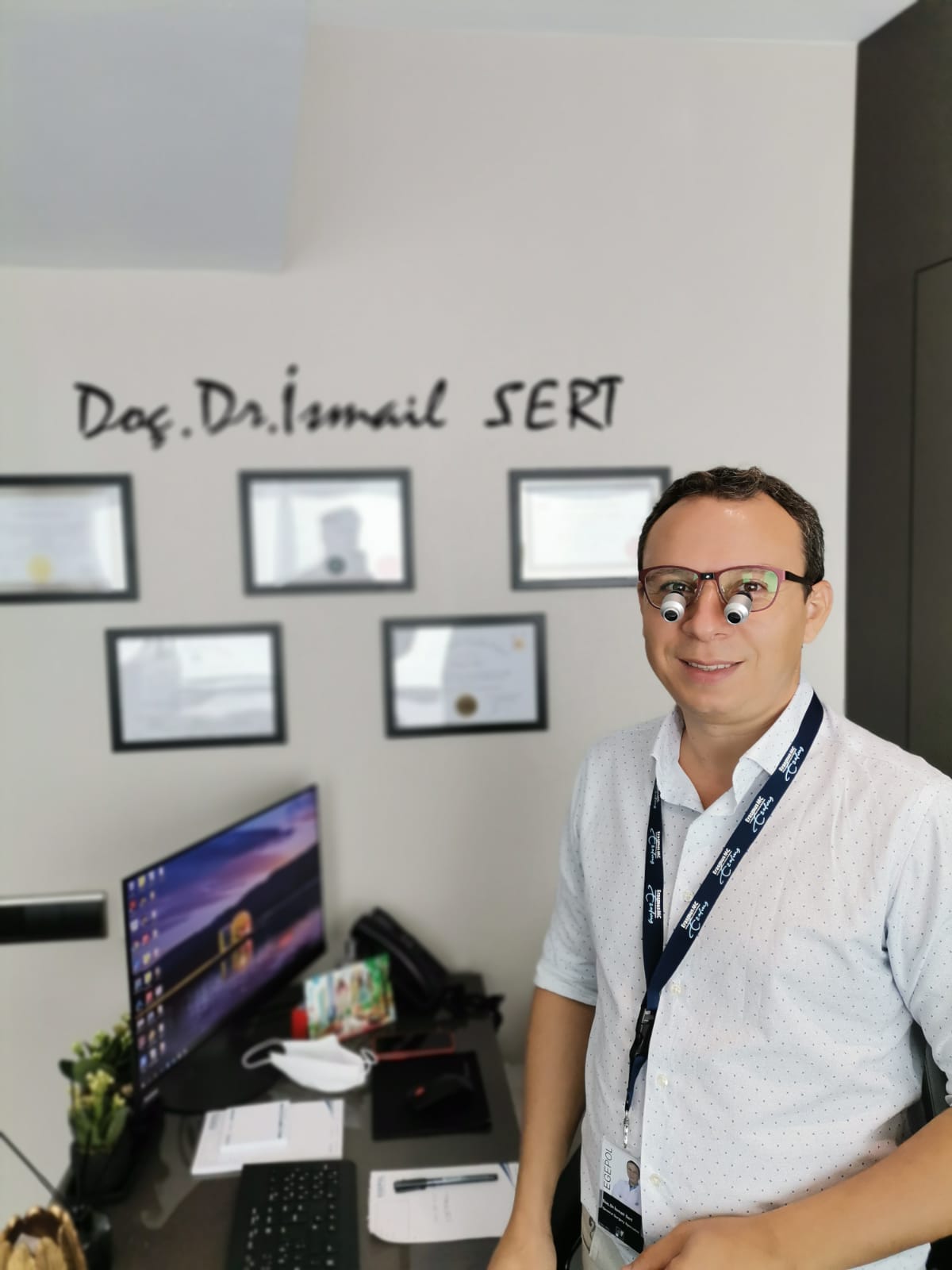
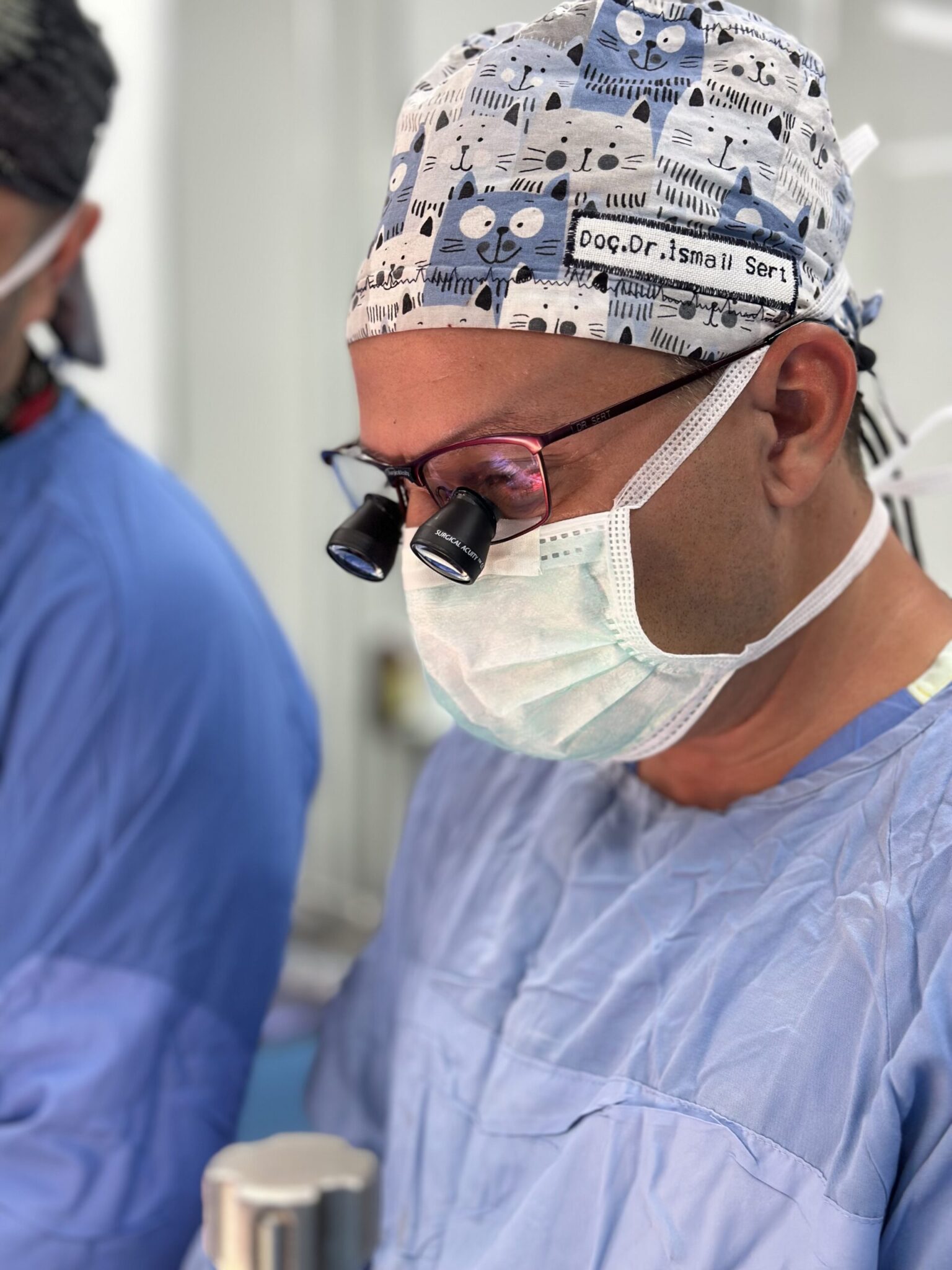
Assoc. Prof. Dr. İsmail Sert
After graduating from Ege University Faculty of Medicine, I completed my specialization training at Tepecik Training and Research Hospital, General Surgery Clinic. During my specialization training, I received training on pancreatic islet cell transplantation, liver transplantation, kidney transplantation, and liver pancreas surgery at the University of Geneva Hospital in Switzerland for 6 months.
I received 6 months of training as a liver transplant fellow at Malatya Liver Transplant Institute. Then, I continued my training in liver, pancreas, and biliary tract surgery, and liver and kidney transplantation at Erasmus MC University Hospital in Rotterdam, Netherlands. In December 2018, I started and continued the Liver Transplant Program at Tepecik Training and Research Hospital, Organ Transplant Clinic. I have been involved in many pancreas and small intestine transplant processes. Currently, I am serving in my private clinic.
Experiences
•Pancreatic Islet Cell Transplantation, Geneva University Hospital, Switzerland (November 2009-February 2010)
•Liver, Kidney, and Pancreatic Islet Cell Transplantation, Liver, Pancreas Surgery, Geneva University Hospital, (September 2010-February 2011)
•Liver Transplant Fellowship, Inonu University, Liver Transplant Institute, Malatya, (September 2016-December 2016)
•Liver Transplant Fellowship, Inonu University, Liver Transplant Institute, Malatya, (March 2017-June 2017)
•Liver, Pancreas, and Biliary Tract Surgery, Liver and Kidney Transplantation, Erasmus MC University, Rotterdam, Netherlands, (February 2018-August 2018)
•Pancreas Transplant
•Small Intestine Transplant
Schools and Trainings
- Ege University Faculty of Medicine (1999-2005)
- General Surgery Residency, Tepecik Training and Research Hospital (2005-2011)
- Liver Transplant Surgery, PhD,
- Inonu University Liver Transplant Institute 2017-
Treated Diseases
- Pancreatic Cancer
- Gallstone
- Gallbladder Surgery
- Colon Cancer
- Whipple Surgery
- Biliary Tract Tumor
- Liver Cancer Surgery
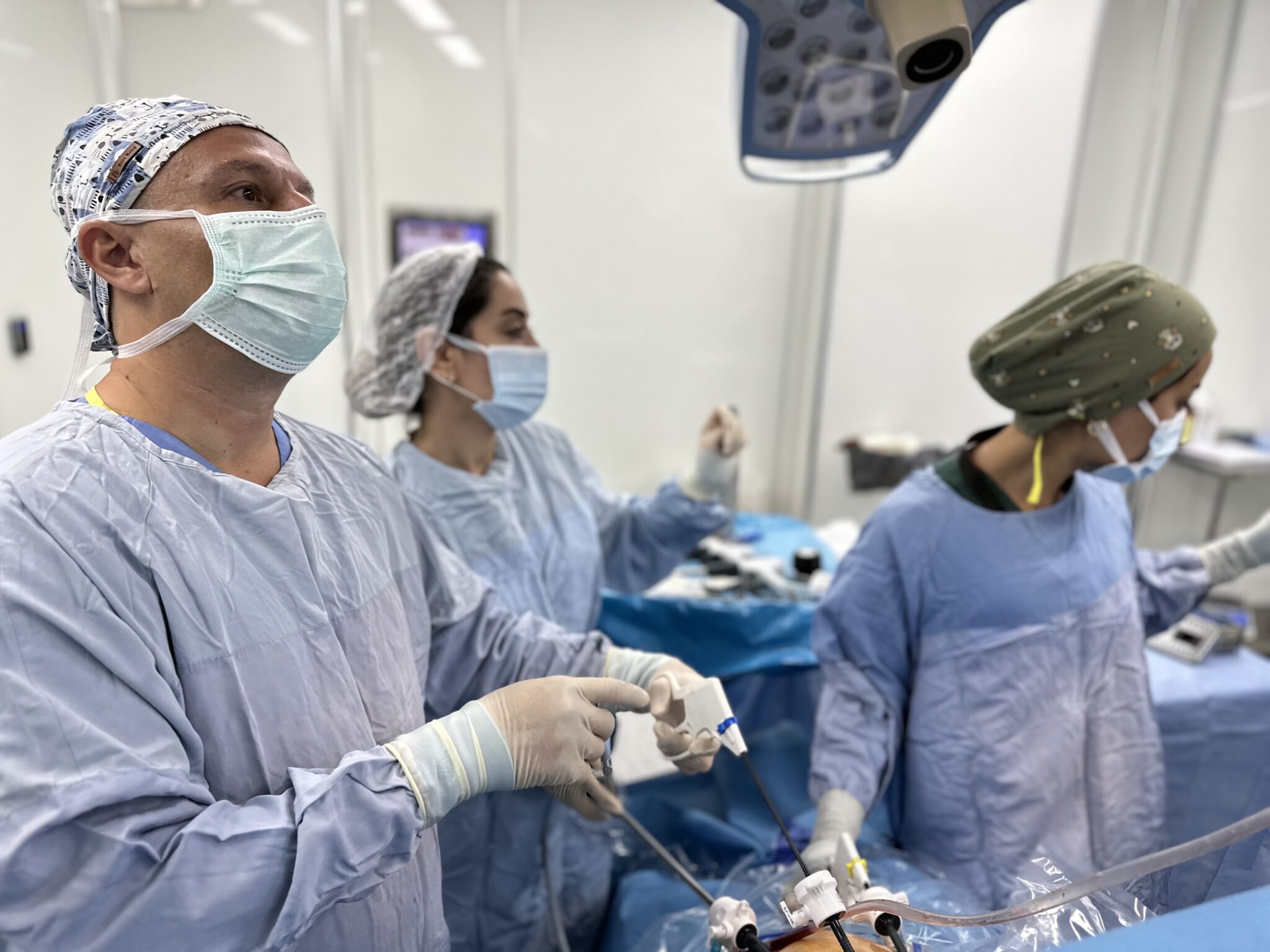
- Laparoscopic Oncological Surgery
- Cytoreductive Surgery and HIPEC (Hot Chemotherapy)


Assoc. Prof. Dr. İsmail SERT
During my specialization in general surgery, I focused on organ transplantation and cancer treatments. I received 6 months of training in this field in Switzerland and continued my training in liver, pancreas, and biliary tract surgery, and liver and kidney transplantation after completing my specialization. I have served both in our country and abroad, and now I am serving in my private clinic.
Online Consultation
Appointment
Appointment
Frequently Asked Questions
Which specialty does a pancreatic cancer doctor belong to and why is this expertise important?
Pancreatic cancer is usually managed by specialists in gastroenterology, general surgery, and medical oncology. These specialties play a critical role in diagnosis, surgical treatment, and chemotherapy.
What criteria should be considered when choosing a pancreatic cancer doctor?
The doctor’s experience in pancreatic surgery and oncology, working within a multidisciplinary team, and the availability of advanced hospital technology are important selection criteria.
Which diagnostic methods does a pancreatic cancer doctor use?
Imaging methods (MRI, CT, PET-CT), endoscopic ultrasound, biopsy, and tumor markers are among the most common diagnostic tools used by doctors for pancreatic cancer.
How does a pancreatic cancer doctor prepare the patient before surgery?
Before surgery, nutrition is adjusted, accompanying diseases are controlled, and the patient’s overall condition is optimized for surgery. This process directly affects the success of the operation.
Which non-surgical treatments can a pancreatic cancer doctor plan?
In patients who are not eligible for surgery, chemotherapy, radiotherapy, and targeted drug therapies may be applied in collaboration with a medical oncologist. These methods aim to prolong survival.
How does a pancreatic cancer doctor manage the follow-up process after treatment?
Post-treatment follow-up includes regular check-ups, imaging tests, and blood tests. The goal is to detect recurrence early and prevent possible complications.
Why is cooperation between the pancreatic cancer doctor and the multidisciplinary team important?
Pancreatic cancer is a complex disease, and collaboration between the surgeon, oncologist, gastroenterologist, radiologist, and dietitian increases treatment success. This multidisciplinary approach provides great benefits for the patient.
</accordion-item] [accordion-item_inner title=”How does a pancreatic cancer doctor contribute to the patient’s nutrition plan?”] [/accordion-item_inner]
The surgeon and oncologist, together with the dietitian, recommend a suitable nutrition program. Supporting the digestive system helps prevent weight loss, vitamin deficiencies, and immune problems.
In which situations does a pancreatic cancer doctor perform emergency interventions?
In cases of bile duct obstruction, severe pain, sudden weight loss, or jaundice, the pancreatic cancer doctor may plan urgent interventional procedures. Such conditions directly affect the patient’s quality of life.
Does a pancreatic cancer doctor recommend getting a second opinion?
Yes, it is especially beneficial to seek a second opinion before a surgical decision is made. This allows patients to evaluate different treatment options and make more informed decisions.
Blog Posts
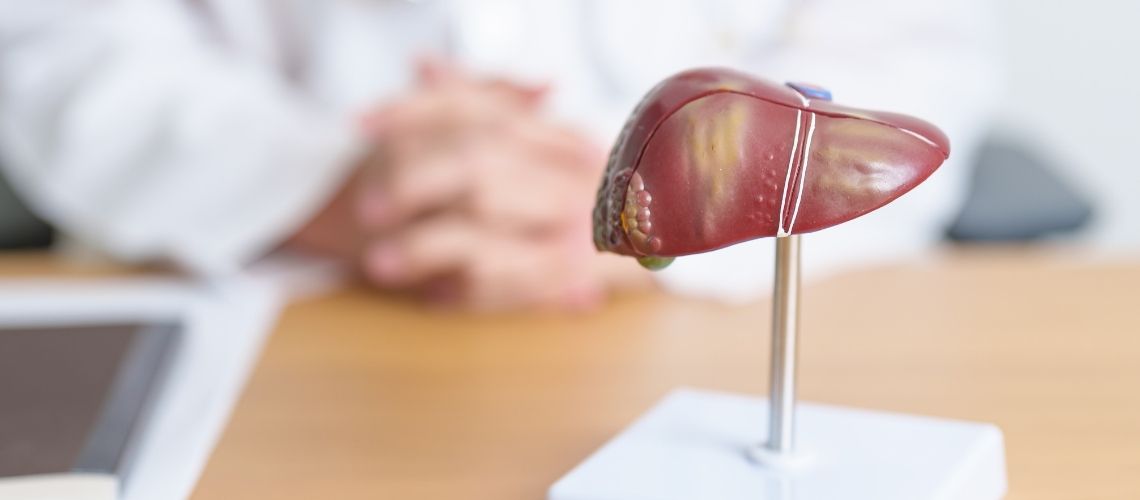
Liver Cancer
Surgery Prices

Robotic Surgery
Robotic Gallbladder Surgery

Robotic Surgery
Robotic Pancreatic Cyst Surgery

Robotic Surgery
Robotic Common Bile Duct Stone Removal

Robotic Surgery
Robotic Liver Metastasectomy

Robotic Surgery
Robotic Liver Metastasectomy

Robotic Surgery
Robotic Distal Pancreatectomy

Uncategorized
Pancreatic Cancer What Is It and What Are the Symptoms?

Uncategorized
Whipple Surgery in Izmir, Turkey

Uncategorized
Liver Cancer Surgery in Izmir, Turkey

Uncategorized
Gallbladder Surgery in Izmir, Turkey
Image Archive






Make an Appointment Now